
Constância Dolls
in safeguarding intangible heritageM.3 . 00h30


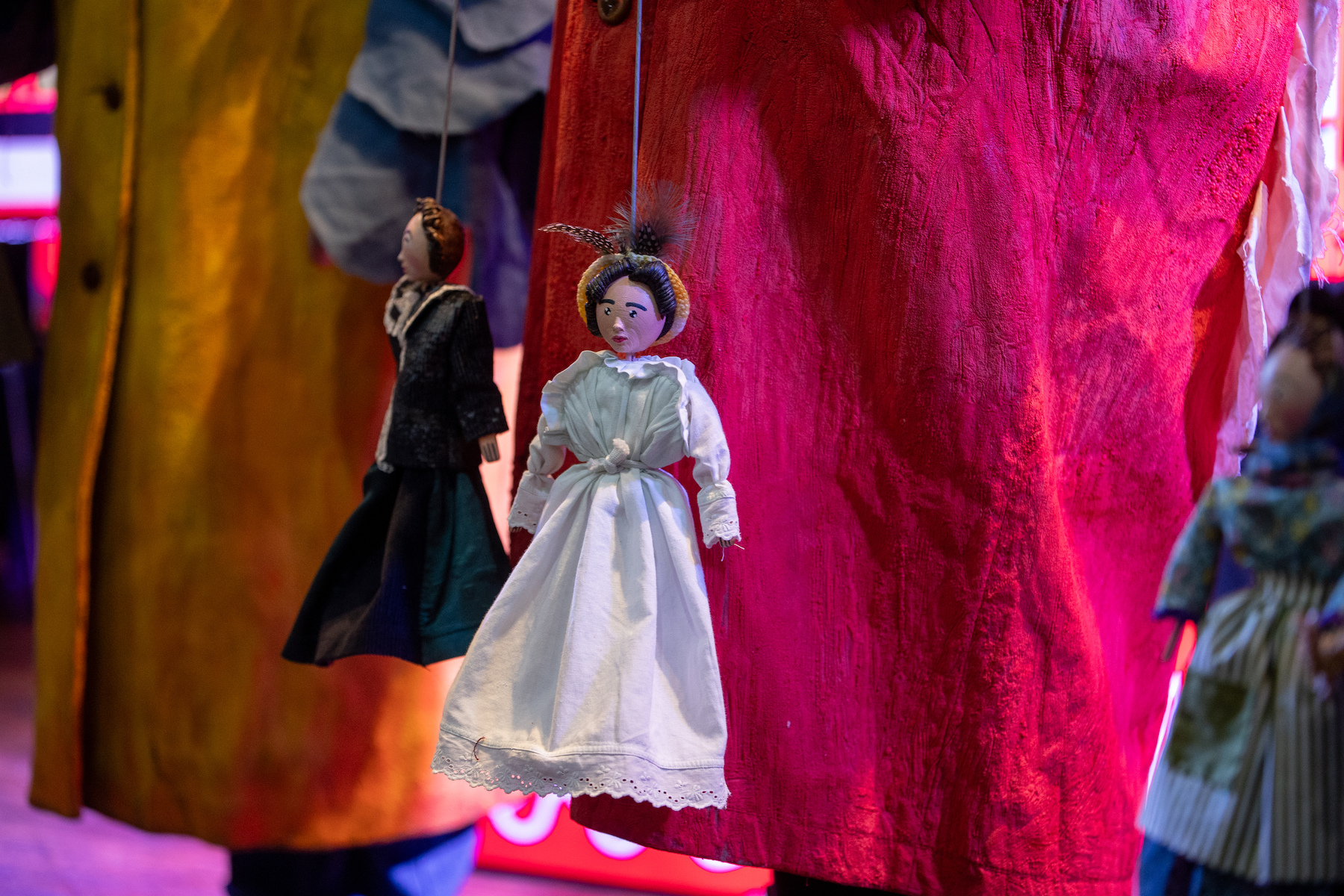
Women take on the role of making these figures. Girls in the past did not have toys, and it was from this need that dolls made of cane, wool, and fabric were born. This preserves the legacy of childhood history. Our proposal for intervention does not seek to replace, but rather to expand the artistic, playful, and educational dimension that these figures possess.
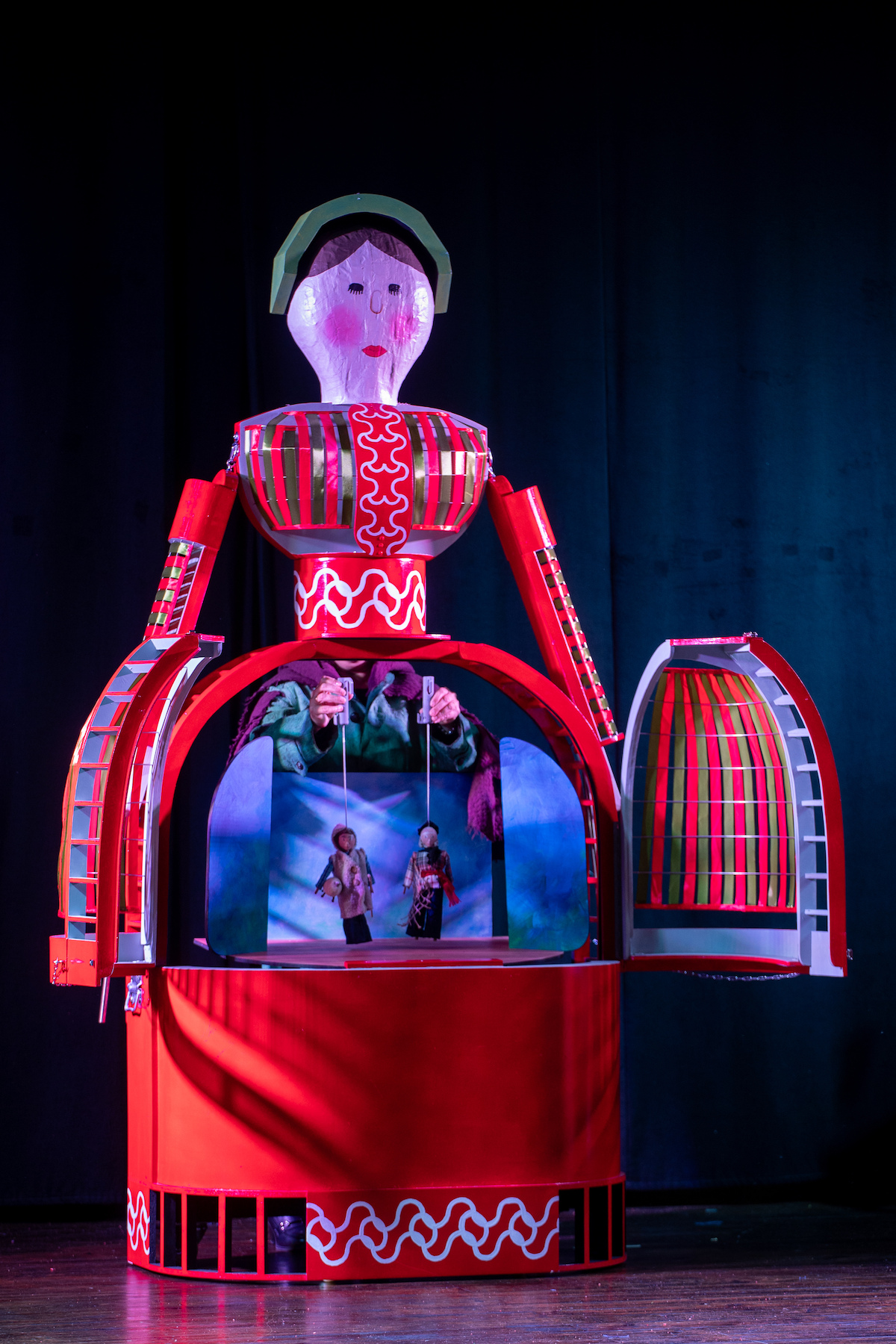
The scenographic component was fundamental here, with a miniature theater being built inside the skirt of a huge sculpture that refers to the figure of the traditional doll.
Another fundamental factor is the appreciation of figures and personalities from the region, such as Alexandre O'Neill, Vasco Lima Couto, and even the presence of the voice in the text written by Camões. However, we chose to take a bold path: who could these dolls represent, beyond the existing social structures and social stratification?
We opted for the representation of female personalities who have changed and influenced the national territory over time. We imprinted a concrete personality on these figures, traveled through different names and deeds, and allowed personalities such as D. Teresa de Leão, Amália Rodrigues, Florbela Espanca, Beatriz Ângelo, and Maria Teresa Horta, among others from diverse social backgrounds and areas as distinct as poetry, social struggle, or medicine, to become part of this imaginary world. In this way, we add value to the remarkable female condition of these figures, who undoubtedly deserve widespread promotion, appreciation, and study. This project will leave a legacy that we hope will serve as a future cultural mediation project that will reach many other visitors and spectators who are proud of this heritage and seek to discover and appreciate it.
The challenge of creating a theatrical project based on the heritage of a territory was an exciting one. A territory marked by the convergence of the Zêzere and Tagus rivers underpins the growth of this region, founded on maritime trade and the boats that crossed the rivers.
The proposal that came to us from the Caminhos do Médio Tejo program promoted the appreciation of the art of making these dolls, which have been rescued by the Municipality of Constância. New doll makers have been trained to continue this legacy, which stems from the genuine intention of providing children with an object for play, games, and identification.
download
BONECASDECONSTANCIA - FOLHA DE SALA.PDF 2.7 MBIMAGERY ARCHIVE PROMO 185.1 MB
IMAGERY ARCHIVE PHOTO SESSION 749.2 MB
IMAGERY ARCHIVE IN SITE 11.4 MB
IMAGERY ARCHIVE WORK IN PROGRESS 93.2 MB
IMAGERY ARCHIVE VERNISSAGE 697.8 MB
PROMO DOSSIER - EN 3.2 MB
PROMO DOSSIER COMPRESSED - EN 1.6 MB
agenda
| 6 NOV 2026 . FRIDAY . 14h00 | Colégio Andrade Corvo, Entroncamento, Santarém | ■ ■ ■ |
theater in institutions
Since 2003, Teatro e Marionetas de Mandrágora has acted as a strategic partner in cultural mediation, implementing educational services that utilize puppetry as a vital tool for dialogue.Our institutional programs are widely disseminated across the country, providing venues with pedagogical tools designed to bridge the gap between institutions and their visitors. These are sensory-driven performances that invite the audience to engage through participatory contemplation.
By promoting Educational Service programs through the art of puppetry, we establish a unique rapport with the public. We aim to foster a global mindset—encouraging audiences to reflect, ponder, and, above all, cultivate new cultural habits. Integrated into heritage promotion and the decoding of artistic languages for young audiences, this project champions the puppet as a powerful vehicle for communication and learning within educational settings.