
The One-Eyed Men
one-eyed puppet opera buffa about the life and work of Luís Vaz de CamõesM.6 . 01h00
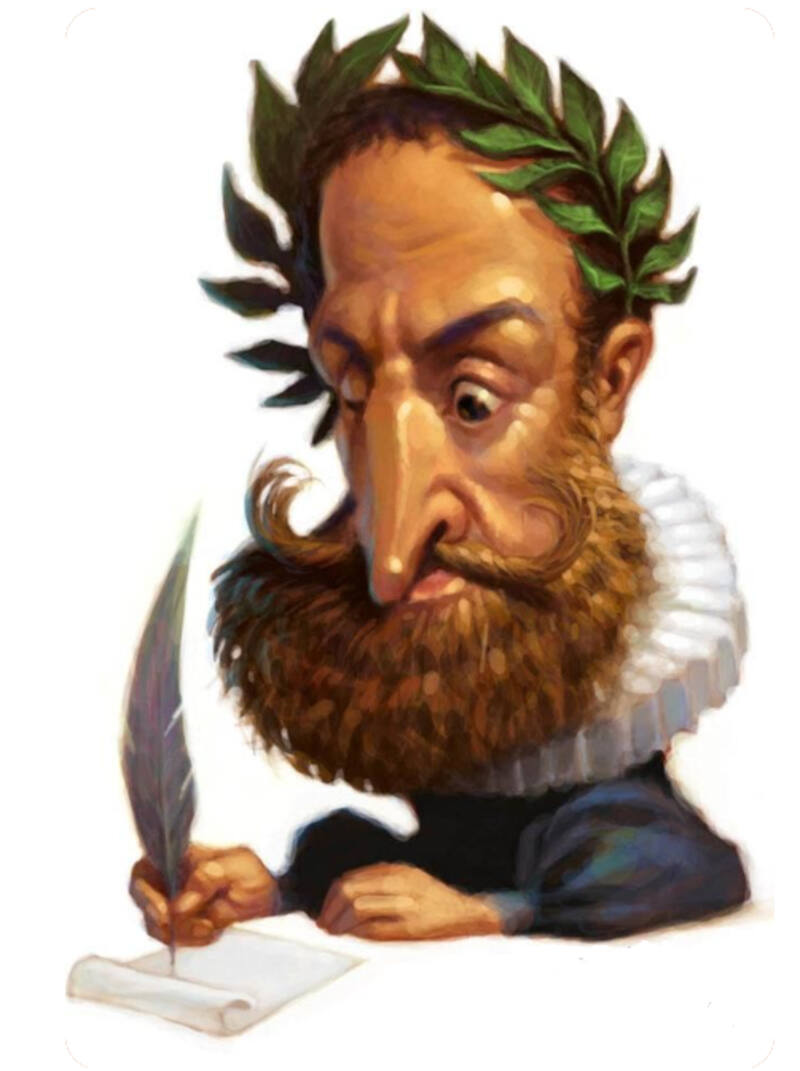
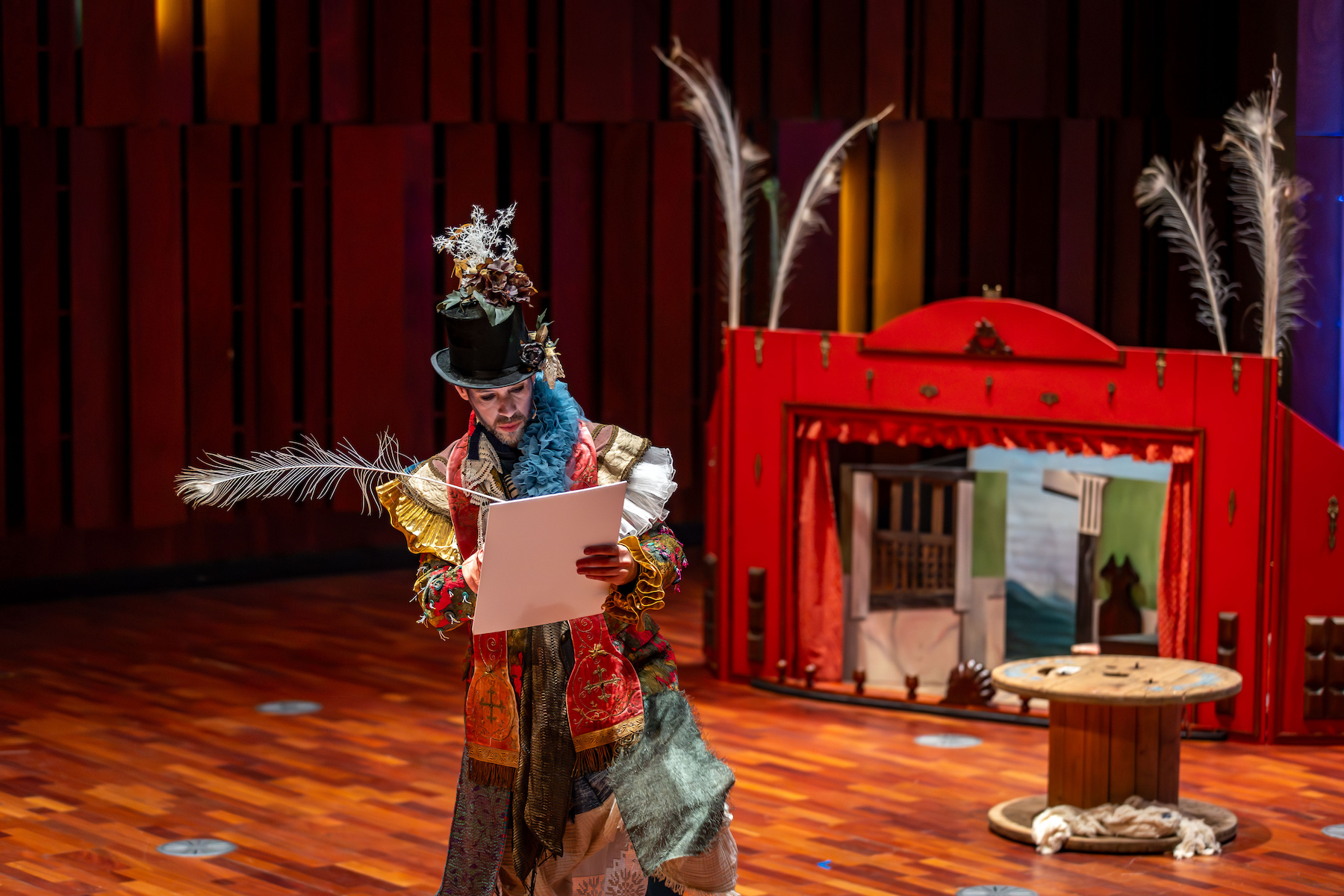
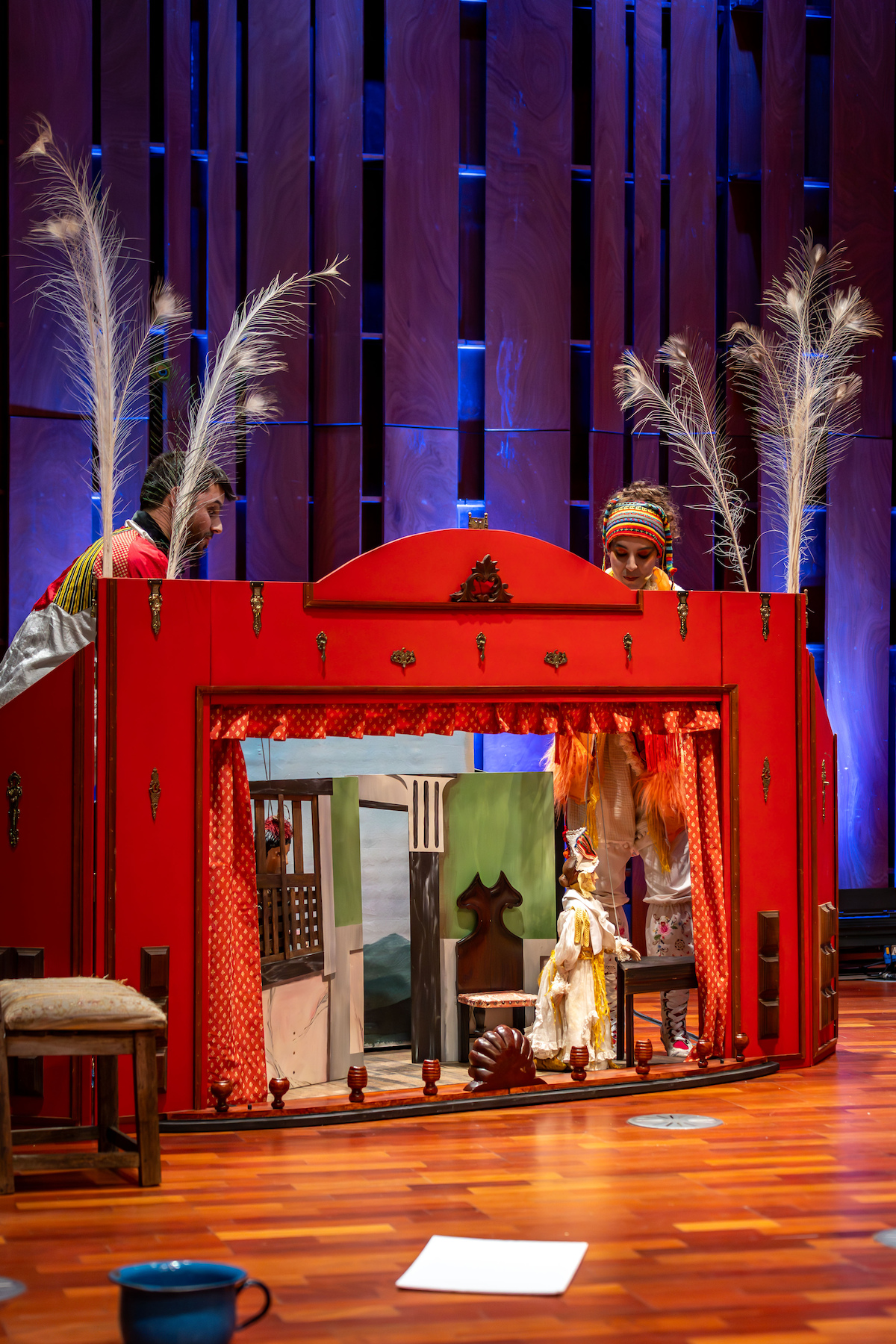
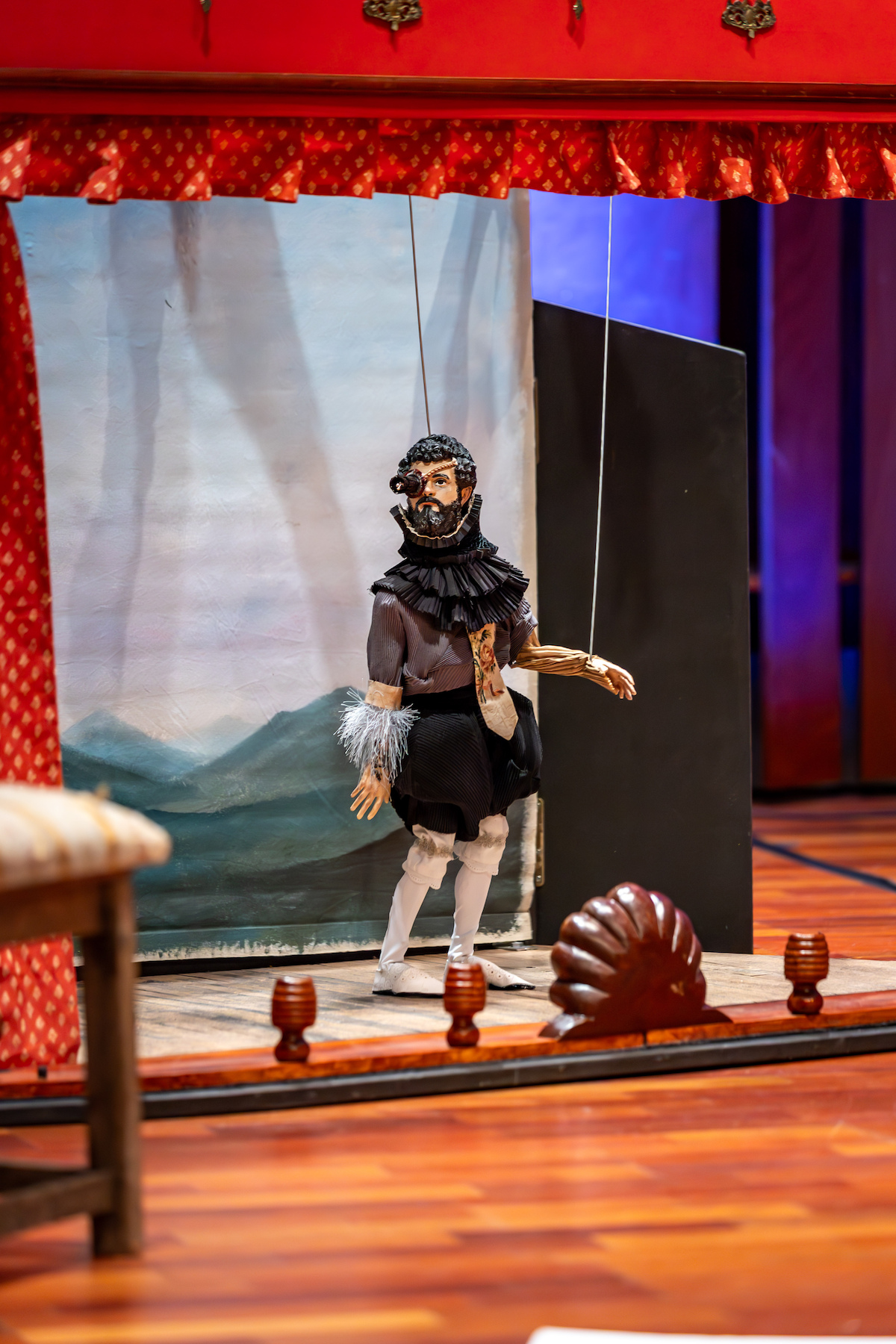
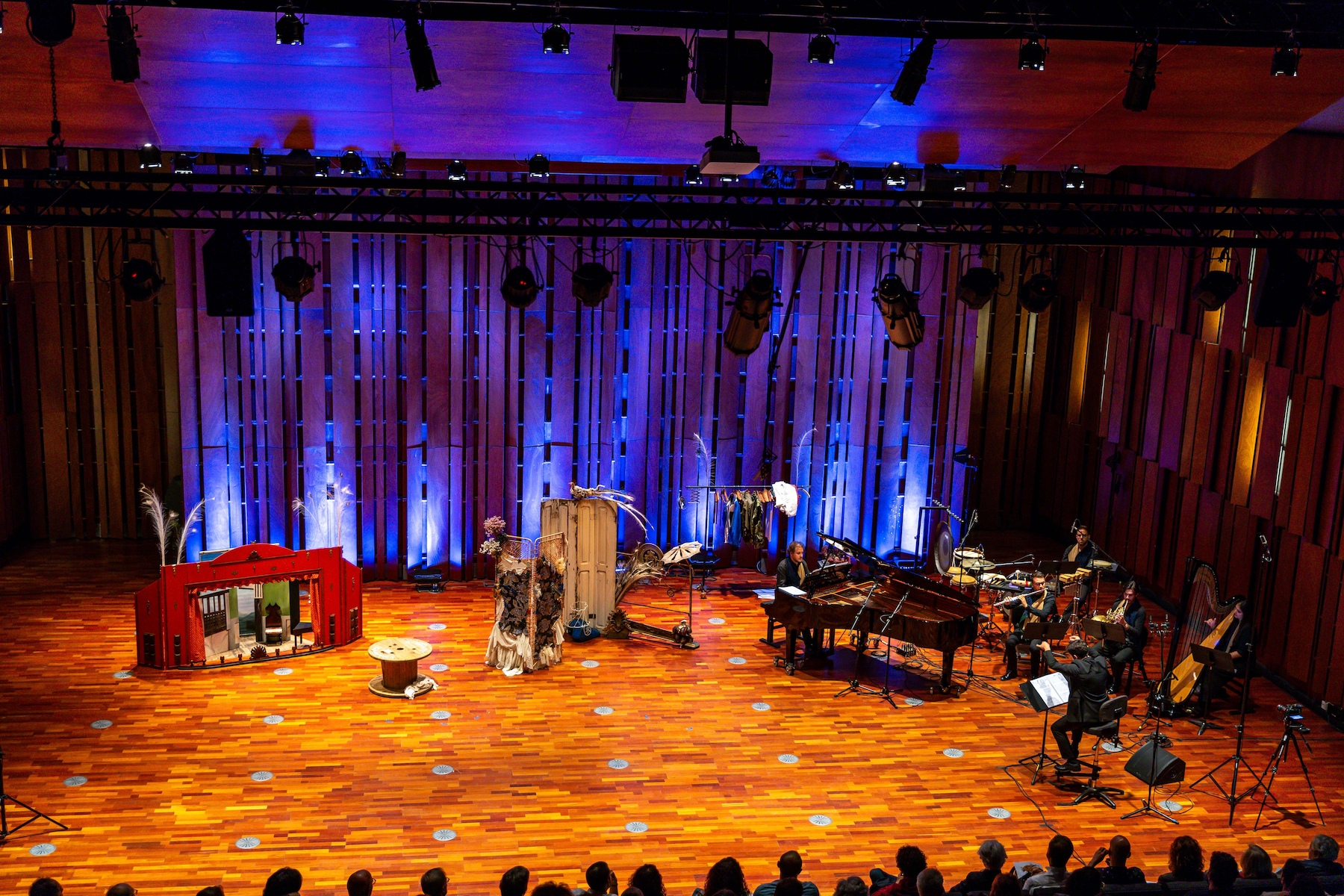
“O Auto dos Zarolhos” is more than a comic opera bringing together singers and puppets; it is a comic and poetic celebration of the 500th anniversary of the birth of Luís Vaz de Camões.
video
- Praça da Alegria - 23.09.2025 2025 [PROMOTIONAL]
download
IMAGERY ARCHIVE PROMO 15.5 MBIMAGERY ARCHIVE PROMO 380.9 KB
PROMO DOSSIER - EN 2.6 MB
PROMO DOSSIER COMPRESSED - EN 1.2 MB
art creation
Since the birth of Teatro e Marionetas de Mandrágora, its creative team has engaged in multidisciplinary artistic dialogues, collaborations, and various partnerships. These cover a wide range of synergies and, as such, the creative artistic team, which is the central axis of all the company's artistic projects, meets with other entities and structures that feel the need to seek out these technically specialized professionals in order to find answers to their creative, educational, or heritage needs.Thus, collaborations between projects and visual artists are often called upon to take place, creating challenging and innovative artistic dialogues that certainly bring new and distinctive sharing of learning, which not only meet technical needs, but rather enhance collaborations and joint creative developments.
These collaborations, many of which have been repeated over the years, create important partnerships between entities that allow for not only dramaturgical, but also technical and artistic observation. The dialogue between performing artists and other bridges of artistic empowerment launches a movement and drives the transmission of specialized knowledge, implementing artistically consolidated projects on stage or in spaces, where joint learning is above all a position in the way of being of the creatives in the structure.